

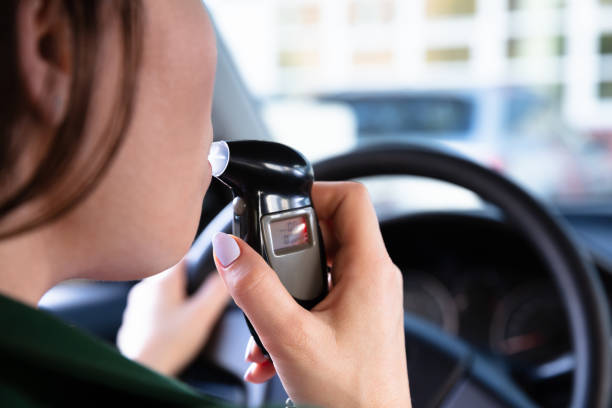
Many people keep a personal breathalyser to check alcohol levels before driving, but not all devices give the same results. Some home models can measure alcohol levels with fair accuracy, while others can be far off. Police devices, by comparison, go through strict testing and use advanced sensors that make them more precise. Personal breathalysers can give a general idea, but police models remain the more dependable choice for accurate results.
Modern personal breathalysers often use fuel cell sensors, similar to those found in some police units. These can offer stable readings, though cheaper units that use semiconductor sensors may show less consistent results. Studies have shown wide differences between various personal models, which can create a false sense of safety for drivers who rely on inaccurate readings.
The accuracy of any breathalyser depends on several factors, such as calibration, sensor quality, and correct use. In the sections ahead, this article explores how personal devices measure up against police-grade equipment and what affects their reliability before considering practical safety advice for anyone who wants to test their alcohol level responsibly.
Accuracy of Personal Breathalysers Versus Police Devices
Personal and police breathalysers share the same purpose of measuring alcohol levels through breath analysis, yet their accuracy depends on their technology, calibration, and sensitivity. Differences in build quality, sensor design, and testing standards often determine how reliable readings are in practice.
Technology Behind Breathalyser Devices
Most police and personal devices use one of two sensor types: fuel cell and semiconductor. Police models often rely on fuel cell sensors, which use a chemical reaction that produces an electric current proportional to alcohol concentration. This method offers greater precision and consistency, even at lower alcohol levels.
Consumer models vary widely. Some use semiconductor sensors, which respond to alcohol vapour but can also react to other gases like acetone or mouthwash. As a result, these devices may show false positives or inconsistent results. Digital fuel cell breathalysers for personal use narrow that gap, but proper handling is still important.
A breathalyzer test for workplace or home use can provide a quick estimate of alcohol level, though readings should not replace professional testing. People seeking better measurement standards can also find alcohol testing kits designed for personal or organisational use.
Calibration and Maintenance Standards
Police-grade devices are subject to calibration under controlled conditions. Regular checks, often monthly or quarterly, confirm their accuracy across test ranges. Technicians adjust these instruments using certified gas mixtures that mimic alcohol levels, keeping results within strict error margins.
In contrast, many home or workplace models depend on user maintenance. Some digital units allow recalibration by sending them to a service centre, while disposable single-use kits offer no such option. Without regular calibration, sensor drift leads to underestimation or overestimation of breath alcohol.
Environmental factors like humidity, temperature, and improper storage can also affect readings. For personal units used outdoors or after recent drinking, manufacturers generally recommend waiting at least 15 to 20 minutes before testing. Otherwise, residual alcohol in the mouth may cause inflated results.
Sensitivity, Specificity, and Margin of Error
The precision of a breathalyser depends on sensitivity (correctly detecting those above the legal limit) and specificity (correctly identifying those below it). Police breathalysers typically reach sensitivities above 90%, giving a margin of error within ±2%.
Consumer devices vary more. Studies show single-use breathalysers can have sensitivity as low as 26% and specificity near 97%, while digital multi-use models reach around 90% sensitivity and 64% specificity. These figures show that even within the same category, performance may differ sharply.
A margin of error of ±5% is common for quality personal devices, though cheaper models may drift to ±40%. The lower the error range, the more reliable the reading for real-world decision-making. Accuracy also depends on proper use, calibration frequency, and the environment where the test takes place.
Factors Influencing Breathalyser Reliability and Safety Considerations
Accuracy in alcohol breath tests depends on a mix of technical, environmental, and behavioural factors. Performance differences between home and police-grade breathalysers can affect both personal judgement and road safety decisions.
Environmental and User-Related Factors
Temperature, humidity, and airflow can change how a home breathalyser test performs. Cold or humid air may alter readings, while smoke or mouthwash residue can lead to inflated results. Police-grade devices often correct for these variables, but handheld breathalysers sold for personal use rarely adjust automatically.
User actions also affect accuracy. Failing to wait at least 15–20 minutes after alcohol consumption can lead to false readings because residual alcohol in the mouth can distort output. The way someone blows into the device also matters; too weak or too short a breath can trigger “low sample” errors or underestimates.
Calibration frequency differs widely. Police models receive routine calibration checks, while home units often depend on the user to schedule service or replace sensors. Without proper maintenance, sensor drift reduces both sensitivity and specificity over time, which impacts how well the device detects the legal limit for driving.
False Reassurance and the Risks of Relying on Personal Devices
A personal breathalyser can create false reassurance. Some devices show a pass even when blood alcohol concentration (BAC) is above the legal driving limit. This false sense of safety to drive can occur if the sensitivity of a home unit is too low or inconsistent.
In one diagnostic study, a handheld breathalyser identified fewer than one in three people over the limit correctly, while others had over 90% sensitivity. Such variation shows that not all devices detect intoxication at the same level. Even a small number of false negatives may lead to poor decisions that increase the chance of drink-driving incidents.
Users who rely solely on a home breathalyser test kit to judge their fitness to drive accept a personal safety risk. Alcohol affects individuals differently depending on body weight, metabolism, and food intake. A device may not account for those factors, meaning a “safe” reading might still correspond with impaired judgement behind the wheel.
Legal Implications and Road Safety
Only police-grade breathalysers meet evidential standards for court use. Personal devices, regardless of accuracy, lack legal recognition. A reading from a home unit cannot protect a driver from prosecution if the police record a higher result. Therefore, self-testing should never replace legal compliance or sound judgement.
Errors in a home breathalyser can also influence public safety. If users underestimate their BAC, they may choose to drive while still impaired, raising the risk of collisions and injury. In contrast, police devices follow strict protocols for calibration, operator training, and data verification to achieve higher precision.
To maintain safety on the road, individuals should treat results from personal tests as rough indicators, not as permission to drive. The safest approach remains simple: if alcohol has been consumed, avoid driving altogether.
Conclusion
Personal breathalysers give users a quick way to estimate alcohol levels, but they do not always match the accuracy of police-grade equipment. Police devices use advanced fuel cell or infrared sensors and go through strict calibration and testing. Personal units often vary in quality and may either underestimate or overestimate results.
Studies show that some home devices reach high sensitivity and detect most over-the-limit cases, while others fall far short. Differences in sensor type, maintenance, and user handling affect the accuracy. Even small variations in calibration time or technique can change test outcomes.
