

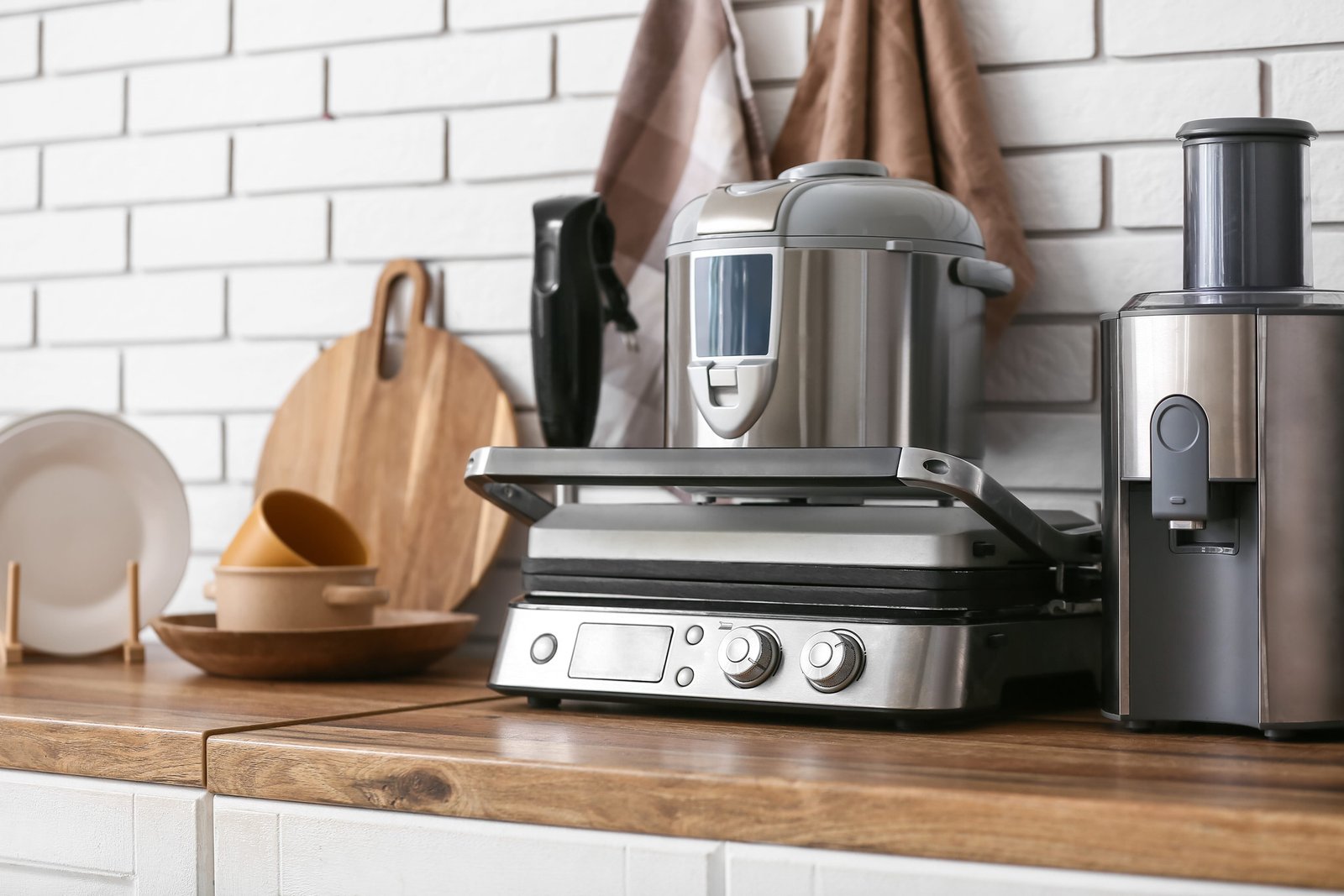
A washing machine that will not drain, a vacuum that loses suction or a fridge door that no longer seals properly can feel like a cue to replace the whole appliance. More UK households are choosing a different route. With spare parts easy to find on sites like fixpart.co.uk, DIY appliance repair is becoming a realistic option for anyone who can follow steps and work carefully.
The appeal is not only financial. Extending the life of a machine reduces waste and lowers the demand for new manufacturing. A small fix can be one of the most practical eco-friendly DIY choices you make at home.
Why repairing often beats replacing
Buying a new appliance is expensive, and it is not always the greener choice. New products require raw materials, energy, packaging and transport. Broken appliances also add to the growing problem of electrical waste.
Many everyday faults come down to one worn component. Replacing a door seal, belt, filter, thermostat or pump can restore performance for far less than the cost of a new machine. Keeping what you own running for longer is a straightforward form of sustainable appliance repair, even if you plan to upgrade later.
Common faults that are usually one part
These are frequent culprits when an appliance is acting up:
- Washing machines: blocked filters, worn door seals, faulty drain pumps ;
- Dishwashers: clogged spray arms, damaged door gaskets, worn basket wheels ;
- Vacuum cleaners: split hoses, clogged filters, worn brushes and belts ;
- Fridges and freezers: damaged door seals, broken shelves, faulty thermostats ;
- Coffee machines: worn seals, blocked water lines, damaged brew group parts.
A quick search for symptoms can help you narrow down the likely cause before ordering anything.
A safety checklist before you start
Run through this checklist before opening any appliance.
- Unplug the appliance or switch it off at the wall.
- Turn off the water supply for washing machines and dishwashers.
- Let hot components cool down, especially in ovens and coffee machines.
- Take photos as you go so you can reassemble confidently.
- Keep screws and small parts in a tray so nothing gets lost.
- Stop and call a professional if you smell burning, see damaged wiring or suspect a gas issue.
Check the warranty status first if you are unsure. Opening some appliances can affect coverage.
How to find the right spare part
The most common DIY mistake is ordering the wrong part. The simplest way to avoid guesswork is to use the appliance model number, sometimes called a type number. It is usually printed on a sticker or plate, often inside the door frame, behind a flap or on the back of the unit.
Write the model number down exactly as shown, including any dashes or extra letters. Then compare the part description and photos carefully. Small differences in connectors, dimensions or fittings can matter, even when two parts look similar.
You can make the search easier with a specialist parts catalogue such as fixpart.co.uk, where you can look up spares and accessories by brand and model number and narrow down compatible options.
Small habits that help repairs last
A few simple routines can prevent repeat problems once your appliance is working again. Clean the filters in washing machines, dishwashers and vacuum cleaners regularly. Avoid overloading drums and baskets, as this strains motors and bearings. Descale coffee machines and kettles to reduce blockages and wipe door seals so trapped debris does not cause leaks. Finally, keep fridge vents clear for efficient cooling. Pour être accompagné, certains forums permettent de poser directement des questions comme le mentionne cet article.
DIY repairs are not right for every fault, but for many everyday breakdowns, a careful approach and the correct part from a specialist such as fixpart.co.uk can get you back up and running quickly.
