

Introduction
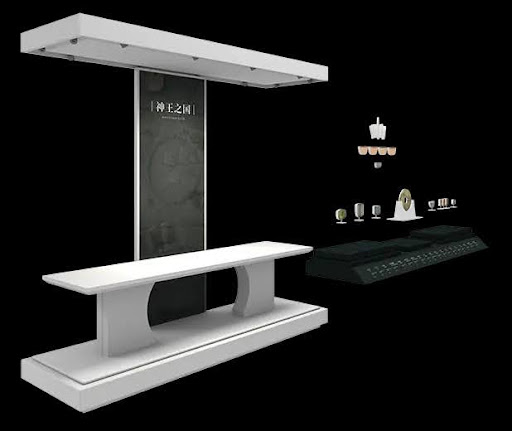
There is more than art, artifacts or historical objects needed to create meaningful and visually appealing exhibitions, which needs strategic presentation. Display systems that are aesthetically oriented, security-oriented, and preservation-oriented are very important in museums, art galleries, cultural centers, and large exhibitions.
Being an expert in museum display cases, the design, and production of custom products of high quality, you are tasked with the role of helping institutions to display their collections in an unparalleled clarity and professional approach.
The Role of Display Cases in Modern Exhibitions
Any properly set museum or gallery setting will be based on display cases. A case of high quality not only prevents damage to the artifacts, but it also increases their visibility level, raises interest in visiting them, and predetermines the overall atmosphere of the exhibition. A well-designed museum showcase is a basic instrument in the narration as well as the protection of frail remnants, fine art, or precious historical pieces when the curators intend to showcase them.
The art of such cases has a direct influence on lighting, the lines of sight, control of the environment, safety, and accessibility. This is the reason why institutions are now turning to custom made large display cases that are designed to fit the size and importance of the collections.
Essential Design Considerations for Museum Display Cases
Engineer professional museum display cases have a balance of functionality and aesthetics. There are a number of major factors that affect the success of a display case:
Environmental Control
Delicate pieces of art may demand constant humidity and temperature. The use of sealed cases, silica gel compartments and climate-control ensures that goods are not damaged.
Security and Durability
Good collections are protected by tempered glass, hidden locks, strengthened frames and mechanisms, which prevent accident damages and also prevent illegal access.
Visibility and Lighting
The use of museum quality LED lighting helps improve all angles of an object without heat or UV damage. Anti-reflective glass also enhances transparency and comfort of viewing.
Custom Aesthetics
Each exhibition area is different. Be it a low profile frameless display, a colossal stacked display or a large wall mounted display, customization will allow integration to be flawless in the architectural and curatorial ideas.
Large Display Cases and Their Importance in Cultural Institutions
Mass exhibition cases can be used to give unparalleled versatility to displaying intricate installations, oversized artifacts, or themed collections. These massive buildings tend to reshape cultural institutions to tell stories by using objects that require both size and magnitude.
These massive installations have to be designed with accurate load-bearing support, ventilation measures and sustainability. The knowledge you have in the design and production of such cases means that any institution can display large or fragile artifacts in a safe, aesthetic and sustainable manner.
Integrating Hanging and Wall Display Systems in Galleries
Besides standalone display vending machines, wall-mounted and hanging exhibitor systems are important in creating visual movement within an exhibition. Contemporary galleries frequently mix glass display frames with free hanging tracks to create unity with designs of presentations.
This would encompass art gallery picture hanging systems and crafts where the curators can have variable tools that make the arrangement of artwork efficient and safe. Combined with quality display cases, such systems allow a smooth flow of visitors through collections as well as make the best use of the available space and preservation and visual organization professional standards.
Customization: The Key to Exceptional Museum Presentation
There is no similarity between two museum exhibitions and this is the reason that customization is one of the most significant elements in the production of professional display cases. Bespoke cases enable curators to make adjustments in the dimensions, lighting, materials, and security options to their own needs.
Key customization options include:
Custom Dimensions: Dimensions that are specific to artworks, artifacts or existing architectures.
Material Variety: Low-iron glass, aluminum structures, and powder-coated steel can be chosen as options to improve the durability and appearance.
Specialty Lighting: Adjustable LED strip, spotlights, fiber-optic systems, and hidden channels of lights.
Integrated Technology: Sensors, microclimate management and smart control systems of the artifact to provide the best artifact conservation.
Having a sense of specialization and being able to provide large-scale display cases means that institutions can get the perfect presentation standard required to make a world-class exhibition.
Why Professional Craftsmanship Matters in Museums and Galleries
Professional craftsmanship goes beyond the attention to detail and it is a promise of quality that lasts. Museum display cases have to meet enormous requirements in terms of safety, conservation, and materials. This accuracy will guarantee the security of the collections that cannot be replaced.
Advantages of well-developed cases are:
- Durability by reinforcement of the building.
- Excellent preservation of the artifacts because of sealing and environmental controls.
- An aesthetically unified show with beautiful case work.
- Maintenance that is user friendly and easy access via well-designed systems of opening.
Since museums and galleries are currently changing with new tendencies of contemporary exhibitions, the quality of exhibition display systems will remain the most important thing to be reliable and accurately built.
Final Thoughts
The professional exhibition structures in museums, art galleries, and cultural institutions rely on display cases and wall systems. Whether it is a tiny object or a grandiose installation, the correct display solution will make sure that every item in it will be shown safely, beautifully, and artistically. Through your specialisation in large scale museum display cases, your business is an important part of assisting institutions to take their exhibitions to the next level and maintaining their collections to be enjoyed by future generations.
Your commitment to quality workmanship, technical accuracy and custom solutions make you a reliable collaborator to curators and exhibition designers around the globe – to help them recreate the space in which art, culture and history can flourish.
