

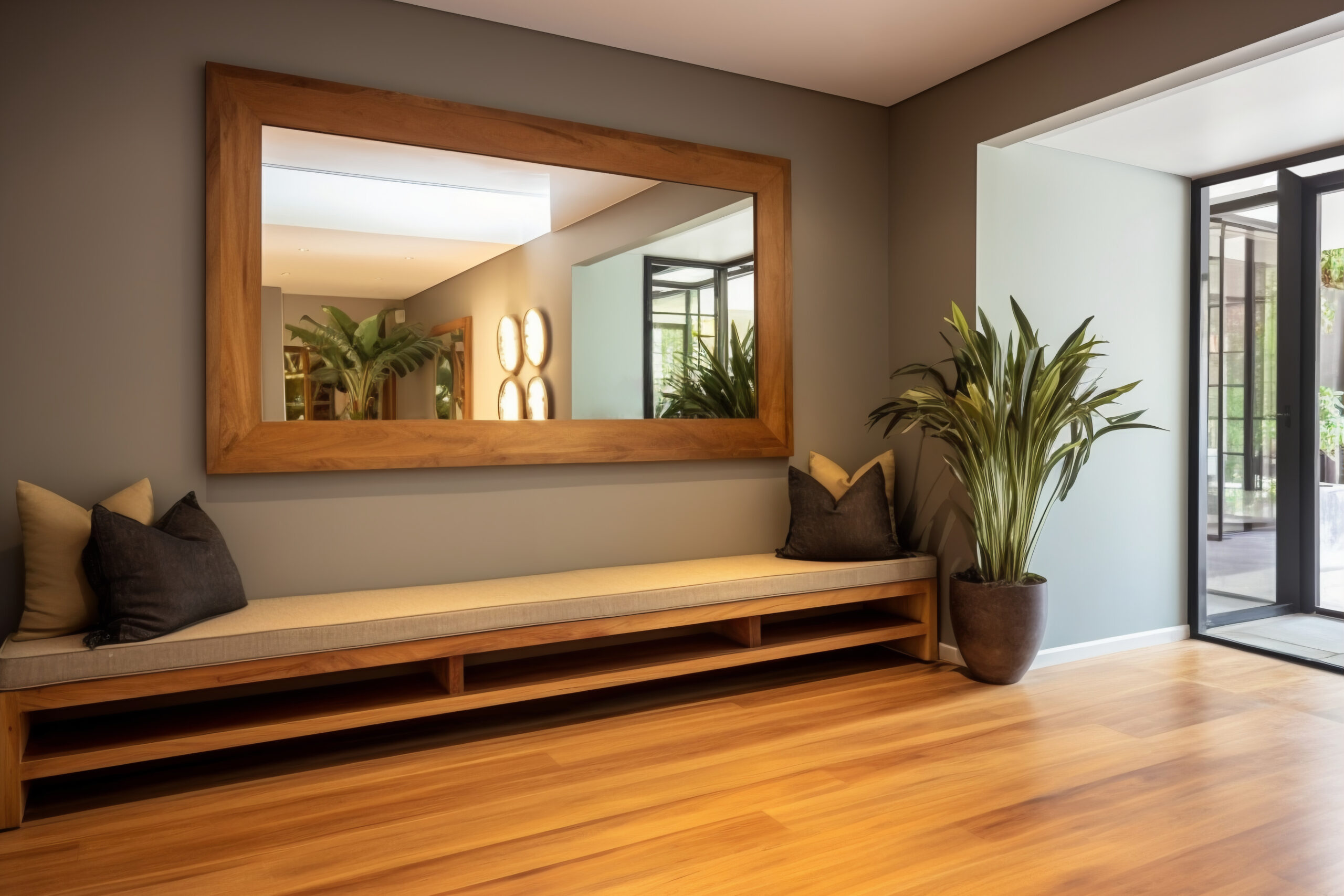
Parquet flooring has earned a reputation for outlasting fleeting décor trends, adapting beautifully to everything from traditional townhouses to sleek, contemporary flats. There’s something undeniably captivating about those geometric patterns, offering an instant hit of character and craftsmanship.
A Legacy That Still Feels Fresh
Parquet’s story stretches back centuries, originally crafted for grand European residences where intricate timber patterns replaced colder stone floors. The warmth, artistry, and regal geometry soon became hallmarks of refined design. Today, those same qualities still resonate, but for different reasons. Modern interiors often crave personality and texture to offset minimalist architecture, and parquet’s structured rhythm delivers both.
Despite its historical roots, parquet has managed to avoid the “old-fashioned” label. The pattern’s familiarity brings comfort, while its geometry provides a subtle hit of visual complexity. In many homes, parquet strikes the perfect balance between nostalgic and contemporary, especially when paired with matt wall paints, soft textiles, or modern furniture silhouettes.
The Psychology of Pattern
One of the reasons parquet refuses to disappear lies in the way it interacts with the human eye. The repeated chevrons, herringbones, or basketweave formations create a sense of order and flow. This gentle movement guides the gaze throughout a space, making rooms feel more cohesive and layered.
Designers often lean on parquet to add interest without overwhelming a scheme. Even when used alongside bold wall colours or statement lighting, the floor’s subtle graphic quality acts as a grounding element. A living room with deep forest-green walls, velvet seating, and warm wood parquet, for example, feels rich and inviting without tipping into excess. The interplay of tones, textures, and angles creates a visual narrative that unfolds naturally.
Versatility for Every Style
Parquet’s adaptability is another factor behind its longevity. The pattern suits an astonishing range of looks, from period elegance to modern industrial. A classic herringbone layout in pale oak creates an airy Scandinavian mood, especially when teamed with linen curtains and neutral-toned furniture. Meanwhile, a darker smoked wood laid in chevron form pairs effortlessly with black metal accents, moody paint shades, and minimalist decor.
Because parquet acts almost like a textured canvas, it works equally well beneath soft boucle sofas, reclaimed wood dining tables, or sleek marble consoles. Even in kitchens, where practicality matters, parquet-style wood alternatives offer the same charm without the maintenance concerns of solid timber.
Materials and Sustainability
Modern parquet flooring isn’t limited to solid hardwood. Engineered wood has become a popular option, combining real timber surfaces with added stability. This makes it more tolerant of temperature fluctuations, which is particularly useful in busy contemporary homes.
Sustainability plays a role too. Many engineered designs use responsibly sourced timber or recycled wood layers, providing an eco-friendlier choice without sacrificing style. For those seeking an even more robust option, parquet-effect luxury vinyl or laminate brings the look of traditional timber while offering durability for households with pets or high footfall.
Bringing Parquet Into Today’s Homes
Incorporating parquet into a home doesn’t require a grand hallway or sprawling living room. Even compact flats benefit from its pattern. Smaller spaces often feel more dynamic with herringbone or chevron underfoot, especially when combined with lighter woods and soft natural light. The pattern subtly widens the room, creating the illusion of openness.
For larger, open-plan layouts, parquet helps define zones without erecting physical barriers. A chevron pattern flowing from dining area to lounge creates continuity, while changes in rug textures or furniture groupings build gentle boundaries. Pairing parquet with plaster-toned walls, contemporary art, and soft accent lighting results in a beautifully cohesive space that feels both current and curated.
Styling Tips for Effortless Cohesion
A few thoughtful choices help parquet shine without dominating a room. Neutral wall colours, warm whites, stone greys, or muted sages, allow the floor’s pattern to stand out just enough. Natural textures like wool rugs, rattan accessories, and linen upholstery soften the angles, creating harmony. Metal finishes, whether brushed brass or matte black, bring a modern edge.
In bedrooms, parquet adds quiet elegance beneath layered bedding, soft throws, and streamlined bedside tables. In hallways, it becomes a design feature in its own right, turning transitional areas into beautifully framed passages.
Is Parquet Worth It?
For anyone seeking a flooring option that feels both stylish and enduring, parquet remains one of the most reliable choices. Its longevity isn’t simply due to nostalgia; it’s a reflection of how adaptable, aesthetically pleasing, and mood-enhancing the pattern can be. Homes benefit from its warmth, depth, and ability to elevate even the simplest décor choices.
Parquet’s charm lies in its timelessness. While other trends come and go, this one continues to find its place in every era, and for good reason. Whether creating a cosy sanctuary or a contemporary showpiece, parquet offers a foundation that never stops inspiring.
Author Bio:
Sophie Marlowe is a digital content writer and outreach executive for Luxury Flooring. She specialises in crafting engaging blogs on home improvement and home decor with a focus on flooring. Sophie writes handy how-tos, easy guides, and helpful comparisons, letting the reader be informed and inspired to take their home to the next level.
