

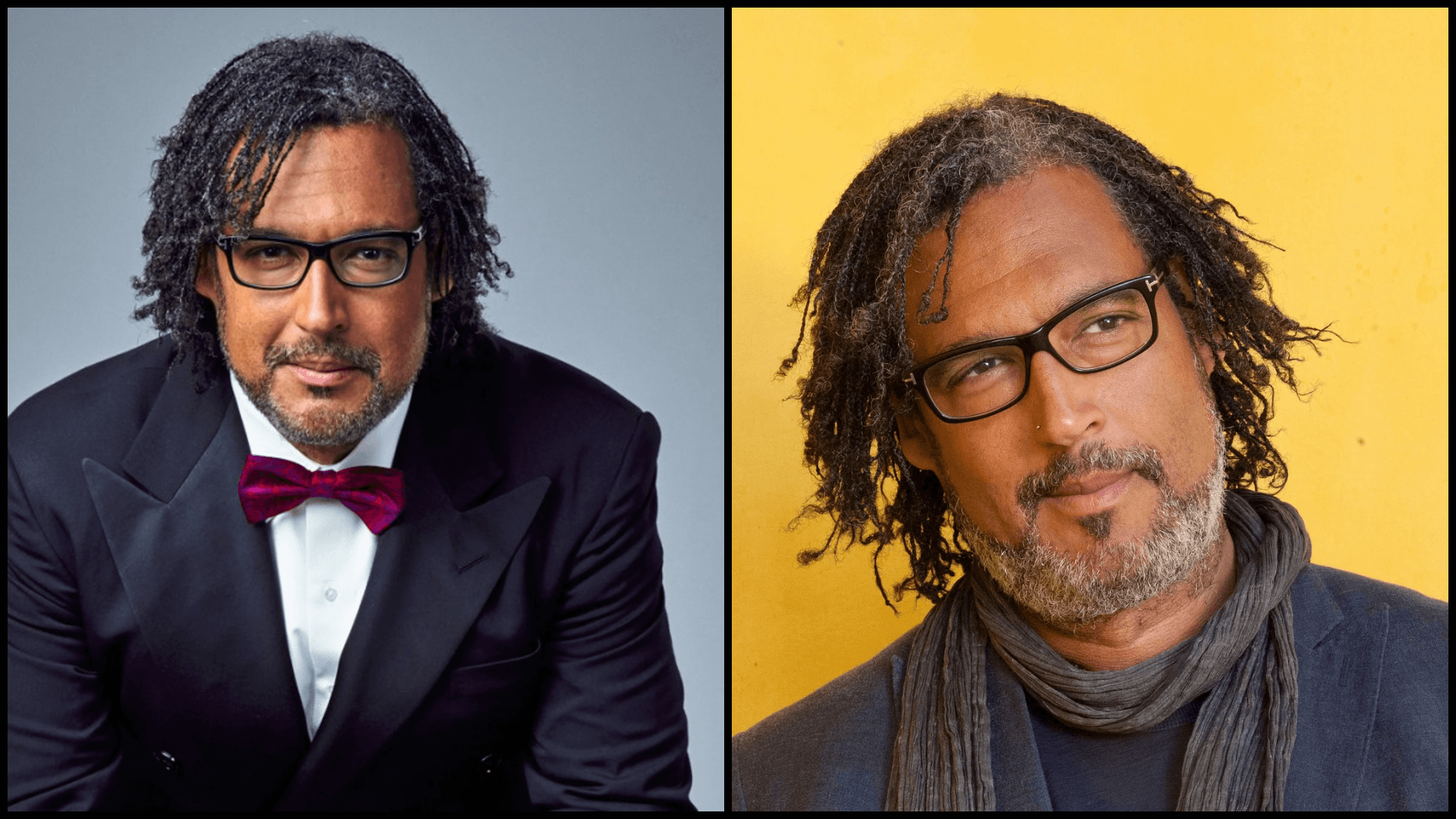
Understanding public curiosity around david olusoga illness requires care, accuracy, and respect. When a prominent historian and broadcaster becomes a familiar presence on television, radio, and in print, it is natural for audiences to wonder about the person behind the work. At the same time, health is deeply personal, and responsible discussion must rely on verified information rather than speculation.
This in-depth article explores what is publicly known about David Olusoga’s health, why the topic attracts interest, and how conversations about illness and wellbeing intersect with public life. Throughout, the focus remains on facts, context, and responsible reporting, aligning with best practices for trust, expertise, and reader value.
David Olusoga in the Public Eye
David Olusoga is widely recognised for his work on British history, empire, race, and collective memory. Through documentaries, books, and academic commentary, he has become one of the most trusted historical voices in the United Kingdom. With such visibility, interest in his personal life, including searches related to david olusoga illness, has grown steadily.
Public figures often become symbols as much as individuals. Viewers who regularly see Olusoga on television may notice changes in appearance, energy, or schedule and wonder whether health issues are involved. This curiosity is not unique to him; it is part of a wider pattern affecting journalists, presenters, and academics who operate in the public sphere.
However, being well known does not automatically make someone’s health a matter of public record. That distinction is crucial when examining claims or rumours related to David Olusoga illness.
Why People Search for David Olusoga Illness
Search intent behind the phrase david olusoga illness is primarily informational. Readers are not typically seeking scandal or gossip but reassurance, clarity, or context. In many cases, the interest is driven by admiration. People who value Olusoga’s work want to know if he is well and whether any illness might affect his future contributions.
Another reason such searches appear is the broader cultural shift toward openness about health, especially mental wellbeing. When public figures speak candidly about stress, burnout, or emotional challenges, audiences respond with empathy and curiosity. This can sometimes lead to assumptions that go beyond what has actually been said.
It is also important to recognise how online algorithms amplify questions. A single speculative headline or social media comment can generate thousands of searches, even when no verified information exists. This makes careful, evidence-based discussion essential.
Public Statements and Verified Information About Health
When addressing david olusoga illness, the most important point is simple and factual. There is no publicly confirmed diagnosis of a serious or chronic physical illness associated with David Olusoga. Reputable biographies, interviews, and media profiles do not report any major medical condition.
From time to time, Olusoga has spoken in interviews about the pressures of his workload and the emotional toll of engaging deeply with difficult historical subjects such as slavery, colonial violence, and racism. These discussions are sometimes misinterpreted online as evidence of illness, when in reality they reflect the normal human impact of demanding intellectual and emotional labour.
Any references circulating online about specific medical procedures or conditions tend to originate from unverified sources or informal commentary. Without confirmation from Olusoga himself or from credible journalism, such claims should not be treated as fact.
In short, verified information does not support claims of a significant physical illness, and responsible coverage of David Olusoga illness must reflect that reality.
Mental Health, Stress, and Public Life
Although there is no confirmed physical illness, discussions around david olusoga illness sometimes overlap with conversations about mental health. This is an important distinction. Experiencing stress, anxiety, or periods of low mood does not automatically equate to a medical diagnosis, nor does it diminish professional capability.
Olusoga has, like many public intellectuals, acknowledged the intensity of his work. Engaging daily with historical trauma and contemporary injustice can be emotionally demanding. Speaking openly about these challenges contributes positively to public understanding of mental wellbeing, particularly among academics and media professionals.
The danger lies in conflating openness with pathology. When a public figure mentions stress or emotional strain, online narratives can quickly escalate into claims of illness. This not only misrepresents reality but can also discourage honest conversations about mental health.
A balanced approach recognises that wellbeing exists on a spectrum. Acknowledging pressure or fatigue does not imply that David Olusoga illness is a defining or ongoing issue.
Privacy, Ethics, and Responsible Discussion
One of the most important aspects of writing about david olusoga illness is ethical responsibility. Health information, even for public figures, deserves careful handling. Speculation, exaggeration, or repetition of rumours undermines trust and can cause real harm.
From an ethical standpoint, only information that has been voluntarily shared by the individual or confirmed by reliable sources should be discussed. Anything else belongs firmly in the realm of private life. Respecting this boundary aligns with journalistic standards and with broader principles of digital responsibility.
There is also a legal and reputational dimension. Publishing unverified claims about someone’s health can have serious consequences, both for the subject and for the credibility of the platform sharing the information. Readers increasingly value accuracy and transparency, especially in an era of misinformation.
Responsible discussion of David Olusoga illness therefore focuses on what is known, clarifies what is not known, and avoids filling gaps with assumption.
Media Influence and Audience Expectations
Modern media plays a significant role in shaping perceptions of health. Continuous exposure to a public figure creates a sense of familiarity that can blur boundaries. When someone appears less frequently or speaks about workload pressures, audiences may interpret this through a health lens.
Search trends for david olusoga illness also reflect changing expectations. Audiences now expect openness from public figures, sometimes forgetting that transparency is a choice rather than an obligation. This tension between curiosity and privacy is a defining feature of contemporary media culture.
At the same time, responsible media outlets generally avoid speculating about health unless it directly affects public responsibilities. Olusoga’s work, while influential, does not require disclosure of personal medical details. As long as he continues to publish, broadcast, and engage publicly, there is no professional imperative to discuss health matters.
Understanding this context helps readers interpret online searches and headlines more critically.
The Broader Conversation About Health and Public Figures
Looking beyond one individual, the interest in david olusoga illness highlights a broader societal issue. We are increasingly aware of the human cost of high-profile work, whether in politics, media, academia, or entertainment. This awareness can foster empathy, but it can also encourage overreach.
A healthier public conversation distinguishes between concern and entitlement. Caring about a public figure’s wellbeing does not mean demanding access to their medical history. Instead, it can mean supporting a culture that allows rest, boundaries, and honesty without penalty.
In this sense, discussions sparked by searches for David Olusoga illness can be reframed as opportunities. They invite reflection on how we talk about health, how we treat those in the public eye, and how we consume information responsibly.
Conclusion: Separating Curiosity From Facts
The topic of david olusoga illness is best approached with clarity and restraint. Based on credible, publicly available information, there is no evidence of a serious or ongoing illness affecting David Olusoga. What does exist are thoughtful discussions about workload, emotional impact, and the realities of public intellectual life.
Separating verified facts from online speculation is essential for readers who value accuracy. It also reflects respect for personal privacy and aligns with principles of trustworthiness and expertise. By focusing on what is known and avoiding assumptions, we contribute to a healthier media environment.
Ultimately, David Olusoga’s enduring influence comes from his scholarship, communication, and public engagement, not from rumours about his health. Keeping that perspective benefits both audiences and the broader discourse.
Frequently Asked Questions
Is there any confirmed information about David Olusoga illness?
No. There is no publicly confirmed diagnosis of a serious or chronic illness associated with David Olusoga. Reliable sources do not report any major health condition.
Has David Olusoga spoken about his health publicly?
He has spoken about the pressures of work and the emotional impact of engaging with difficult historical topics. These comments relate to wellbeing and stress rather than a specific medical illness.
Why do people search for David Olusoga illness online?
Searches are often driven by concern, curiosity, or misinterpretation of interviews and media appearances. Online speculation can also amplify unverified claims.
Does discussing stress mean someone is seriously ill?
No. Stress and emotional strain are common experiences, especially in demanding professions. They do not automatically indicate a medical illness.
Should public figures disclose their health conditions?
Disclosure is a personal choice. Unless health directly affects public duties, individuals are not obligated to share medical details.
Read More Post
How Old Is Emma Murphy ITV Reporter Wikipedia – A Complete, Fact-Checked Guide
